

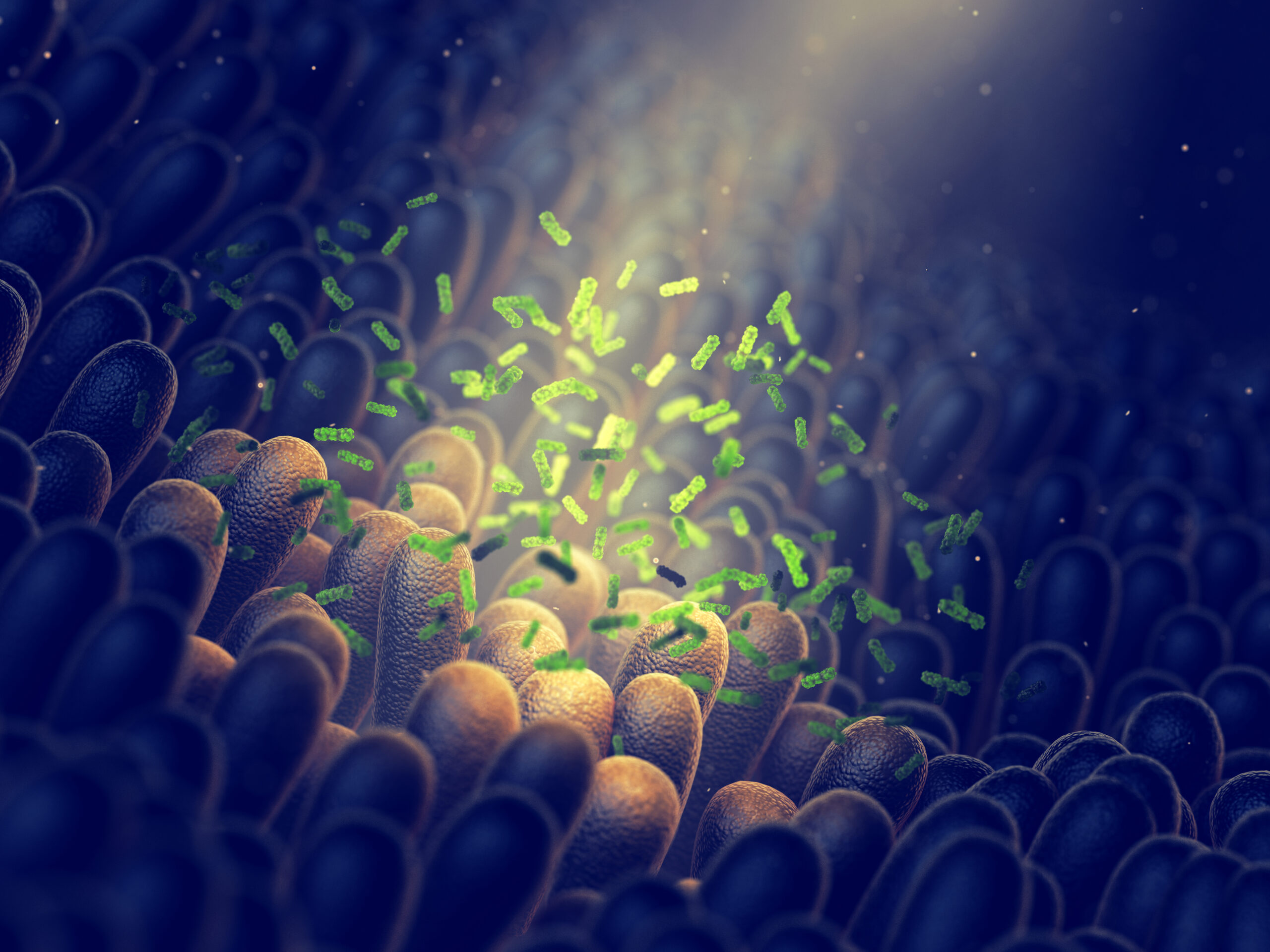
Explore the world that lies inside your digestive system and how for hundreds of years trivial microbes, unable to be seen through the naked eye, control our day to day lives by in everything even mental well being. Most importantly, though, how you can have more of these good bacteria and promote their functioning.
“Let food be thy medicine, and medicine be thy food.” Hippocrates
Our bodies depend on bacterial cultures to thrive, to live and digest food and nutrients which is a key to life for humans. Without these colonies of bacteria we not only are weak physically but also sometimes can become mentally depressed and unhappy. This means to survive and live a healthy life with good metabolism as well, we are dependent on these creatures in our era.
Probiotics are bacteria that help re-enforce or enhance our health and body. These types of live microorganisms do this by entering our digestive system, going from the mouth to the anus, where trillions of different bacterial cultures live and thrive, they are called the gut microbiota. These cultures are measured in Colony Forming Unit (CFU) which will later be important. These cultures preform multiple beneficial physiological functions. They mainly help in extracting nutrients and benefiting and improving our intestinal barrier defenses. Recent studies have also shown they help the bodies mental health. By introducing these probiotics, we can promote the functioning of the helpful bacteria. This concludes to less harmful bacteria causing problems in your digestive tract. The bacteria also helps in educating the immune system and the urinary tract. When traveling through the system they also produce health-promoting metabolism.
These types of bacteria can be found in fermented food and drinks, like kefir, and some dairy products, like yogurt. Some recent studies show that in pasteurized dairy products the probiotics die, so you might be eating dead bacteria.
Prebiotics are compounds (commonly found in food which are high in fiber that can not be broken down by human digestive enzymes and therefore are indigestible carbohydrates. This includes food like garlic, beans and bananas.) that promote to growth and positive behavior of beneficial microorganisms. As mentioned in the previous paragraphes, these bacteria are called the gut microbiota and live in the digestive system.
When consumed these prebiotic components will enter the gut microbiome and become a source of food for all the bacteria there. They will also be simultaneously by fermented. After this their degradation product is released in a short-chain fatty acids that are released to the blood-circulation and therefore spread to different nearby organs benefiting them.
Probiotics are live bacteria meaning they can be scientifically classified in different ways. Firstly, it is important to note that when a probiotic bacteria will be listed it will most commonly be classified by its Genus (e.g., lactobacillus) then by its species (e.g., Helveticus) and finally, by its strain, commonly containing letters and/or numbers (e.g., UC1035). This creates the full name of the bacteria: Lactobacillus Helveticus UC1035. Overall, there is around 500 separate genuses of probiotics, but there are seven main ones which are most commonly used and found in the body. These seven types are Lactobacillus, Bifidobacterium, Saccharomyces, Streptococcus, Enterococcus, Escherichia, and Bacillus. The two most common of these is Lactobacillus and Bifidobacterium.
Some of these bacteria can also naturally occur in the body such as Bifidobacterium in human milk fed to new borns, the older we become, the more of these probiotics are lost so its good to keep consuming more of them. These bacteria can also be further be classified into the shape and Gram and other over all bacterial classification, but it can also be classified into Bacterodies, Fermicutes bacteria and also smaller groups like Protebacteria, Verrucomicrobia, Actinbacteria and Fusobacteria.All of these types of bacteria make up the gut microbiome. Lactobacillus belongs to the Fermeticus group and Bifidobacterium to Actinbacteria.
Prebiotics can be classified into many forms, the most common form of prebiotics (FOS, inulin, GOS, resistant starch) are based upon 6-carbon-sugras . Such as fructose, glucose and galactose. These bacteria are the widely used, bacteria which consume this in the gut microbiome include Clostridia, Staphylococcus and Streptococcus. Meaning some harmful bacteria as well. XOS and AXOS, which are two chemical bonds, are based upon 5-carbon-sugars and have a different bonding format compared with the 6-carbon-sugars format. Overall, this type of compound is more efficient because it mostly only targets beneficial bacteria rather than pathogenic.
The discovery of probiotics starts in 1907 when Élie Metchnikoff stated in his third book, Prolongation of Life, that ‘“The dependance of intestinal microbes on the food makes it possible to adopt measures to modify the flora in our bodies and to replace the harmful microbes by useful microbes.”’ Meaning that he believed it was possible to use bacteria present in certain foods and use it to change the bad bacteria to beneficial microorganisms. He first encountered this idea when seeing that Bulgarian peasants, who regularly consumed lactic acid in fermented dairy products, would have healthier and longer lives.
Élie Metchnikoff, also spelled Ilya Ilyich Mechnikov, was a Russian-French scientist who was born on the15th May 1845 in Kharkov Governorate (Russian Empire) nowadays Ivanovka Ukraine. He died on the 15th July 1916 (aged 71) in Paris, France. Metchnikoff studied at the Pasteur Institute as well as at the Kharkov University. He is most known for his work on immunity and could be called the founding father of probiotics.
In 1965 the first definition for probiotic was coiled but it was different than the term used to this day. The first definition used to be: substances secreted by one organism which stimulates the growth of another.
The concept of prebiotics was first thought of in 1995 by Glenn Gibson and Marcel Roberfroid. They defined prebiotics as “a non-digestible food ingredient that beneficially affects the host by selectively stimulating the growth and/or activity of one or a limited number of bacteria in the colon, and thus improves host health.”
In the years following hundreds of researches and studies were published, reaching a major peak in 2013 with more than 275 studies published. People also started producing more supplements which still is a vast growing market. This includes both Pre and Probiotics.
Pro and Prebiotics can be found in thousands of foods each with different values of CFU (only by Probiotics) as mentioned earlier. To this date supplements still have the highest values of CFUs but even when these supplements are checked and allowed to go on market, many of them turn out to have side effects on people causing risks to animal and human health.People have been using food as their best source for pre and probiotics for many years since their discovery. I many peoples views it is better to eat foods with high doses of pre and probiotics because it is more natural and trustful.
For Prebiotics, the consumption of high fiber foods is the best place from where to get them. This includes foods like whole grains, legumes and raw fruits and vegetables. Probiotics are found in fermented sour products (and some yeasts, fungi).
As mentioned earlier, recent studies have shown eating yogurt is ineffective because the milk in it might be pasteurized. For example, drinking kefir will be a lot more effective because the milk is fermented . Highly fermented milk can even have billions of cultures of probiotics compared too little found in pasteurized dairy products.
Currently in the 21st century we are having an increase in probiotic development and research. We use probiotics more commonly; when you go to any grocery store you will find foods and drinks specifically containing probiotics showing to vast market which dominates our modern consumption on food. We are also starting to see probiotics being put in foods of day to day life such as in fermented bread and ice cream which are being consumed more and more by humans.
One modern research which is taking place on probiotics is genetically modifying the bacteria. People are not able to change the strains and create new ones but have the ability to modify the effectiveness of each probiotic. This could increase your metabolism and gut functioning by improving on the probiotic bacteria.
Scientists have also shown that probiotics can help also with depression and mental health


